Small Business Accounting Software with Inventory Management: Complete Guide

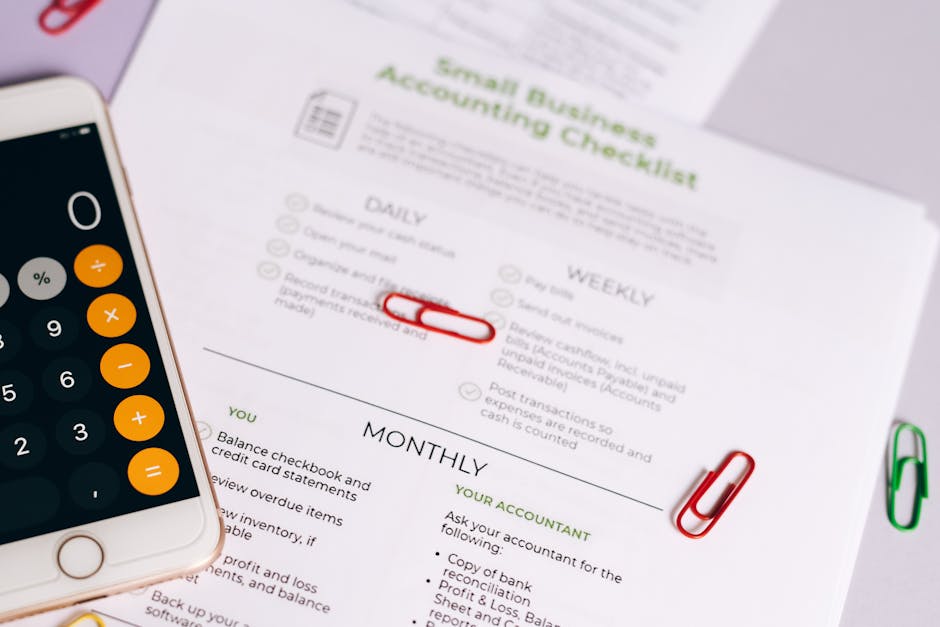
Picture this: you’re juggling invoices, paying bills, and trying to keep track of which products are flying off your shelves versus which ones are collecting dust in the back. Your spreadsheets are a tangled mess, and you can’t tell if your most recent sale was actually profitable because you have no idea what you paid for that item three months ago. If this sounds familiar, you’re not alone. For product-based small businesses, separating your money from your stuff is one of the biggest operational headaches.
That’s where dedicated small business accounting software with inventory management comes in. It’s the digital bridge that connects your cash flow with your stock flow, giving you a single source of truth for your business health. In this guide, we’ll cut through the noise and show you exactly what to look for, how different platforms stack up, and the common traps to avoid so you can choose a system that grows with you.
Key Takeaways
- Integrated systems save an average of 8-15 hours per month by eliminating manual data entry between separate sales, inventory, and accounting logs.
- Look for real-time cost of goods sold (COGS) tracking; this is the feature that most directly impacts your profit visibility.
- Cloud-based solutions offer critical advantages for small teams, including remote access and automated backups.
- Don’t overpay for enterprise features you won’t use; a surprising number of businesses do best starting with a robust mid-tier plan.
- The right software should scale with you, handling everything from a few dozen SKUs to several thousand without a painful migration.
- Automated purchase ordering and low-stock alerts can prevent stockouts, which directly protect sales revenue.
- Always prioritize a user-friendly interface; if your team won’t use it consistently, even the most powerful software fails.
Why You Can’t Afford to Keep Them Separate
Using a basic accounting tool like QuickBooks for your finances and a separate spreadsheet or simple app for your stock might seem like it works—until it doesn’t. The moment you scale, the cracks appear. A sale happens in your point-of-sale system, but the inventory count doesn’t update in your accounting ledger. You reorder stock based on a gut feeling rather than actual data, tying up cash in slow-moving items. At tax time, calculating your true inventory value becomes a week-long nightmare of reconciliation.
The Real Cost of Disconnected Systems
The inefficiency isn’t just annoying; it’s expensive. Time spent manually transferring data is time not spent on sales, marketing, or product development. Errors in data entry lead to stockouts (lost sales) or overstocking (wasted capital). Perhaps most critically, you lack real-time insight into your gross margin. You might know your revenue, but without accurate, instantaneous inventory costing, your profit remains a mystery until the end of the quarter.
Editorial Insight: “The biggest ‘aha’ moment for small business owners is when they see their profit margin update in real-time after a sale. It shifts their mindset from ‘How much did I sell?’ to ‘How much did I earn?’ That’s the power of a truly integrated system. It turns accounting from a historical record into a live profit dashboard.”






Core Features Your Software Must Have
Not all inventory features are created equal. When evaluating small business accounting software with inventory management, ensure these core pillars are present:
- Real-time Inventory Tracking: Stock levels should adjust automatically with each sale, return, or received shipment.
- Automated COGS Calculation: The software should apply costing methods (FIFO, LIFO, or Average Cost) automatically, directly impacting your Profit & Loss statement.
- Purchase Order Management: Create, send, and track POs to vendors, with items automatically added to inventory upon receipt.
- Multi-location & Warehouse Support: Track stock across different physical locations or bins.
- Reporting & Analytics: Generate key reports like inventory valuation, sales by product, and days of inventory on hand.
Top Platforms Head-to-Head
| Name | Best For | Key Features | Price Range (Monthly) | Key Limitation |
|---|---|---|---|---|
| QuickBooks Online Plus | Established small businesses deeply integrated into the QuickBooks ecosystem. | Robust general ledger, excellent third-party app marketplace, strong inventory tracking with assembly builds. | $90 – $180 | Can become expensive with add-ons; inventory features are not its deepest strength compared to specialists. |
| Zoho Inventory | Growing e-commerce businesses, especially those using multiple sales channels. | Outstanding multi-channel sync (Amazon, eBay, Etsy, etc.), automated workflow rules, integrated shipping. | $39 – $249 | Its standalone accounting is basic; best paired with Zoho Books for full financials. |
| FreshBooks with Inventory | Service-based businesses that also sell physical products or parts. | Superb invoicing and client communication, simple inventory tracking, time tracking integration. | $30 – $60 (add-on) | Inventory is a paid add-on, not a core module, so it lacks advanced features like serial number tracking. |
| Xero | Businesses with an advisor (accountant/bookkeeper) who prefer a clean, modern interface. | Beautiful dashboard, unlimited users, strong bank reconciliation, good basic inventory. | $65 – $135 | Inventory management requires a separate, slightly clunky “Hub” app, creating a disjointed experience. |
| TradeGecko (by QuickBooks) | Wholesalers, distributors, and businesses with complex B2B sales processes. | Powerful order management, bulk shipping, client-specific pricing, native B2B e-commerce portal. | Custom Pricing | Pricing is not transparent and scales quickly; overkill for simple retail or direct-to-consumer. |
Deep Dive: Analyzing Two Popular Paths
QuickBooks Online: The All-in-One Contender
QuickBooks Online is the default choice for a reason. Its strength lies in seamless integration—your inventory value flows directly into your balance sheet, and COGS hits your P&L without any extra steps. It’s fantastic for businesses that want everything in one place: banking, payroll, invoices, and inventory. The ability to handle inventory assemblies (creating a finished good from components) is a standout feature for light manufacturing. However, its inventory reporting isn’t as deep as dedicated systems, and managing complex variants (like size/color combinations) can be cumbersome. It’s ideal if your primary need is solid financials with competent inventory tracking, not advanced warehouse logistics.
Zoho Inventory: The E-Commerce Powerhouse
Zoho Inventory takes a different approach. It excels at being the central hub for your sales channels. If you sell on your website, Amazon, and in a physical store, Zoho keeps all stock levels synchronized in real-time, preventing oversells. Its automated workflow rules (e.g., “when stock for Product X falls below 10, create a PO for 50 to Vendor Y”) are incredibly powerful for automation. The catch? For full accounting, you need to use Zoho Books. The integration is excellent, but it’s technically two separate subscriptions. This is the best pick if your business lives and dies by multi-channel sales and you need to automate stock control.
5 Costly Mistakes to Avoid When Choosing
- Mistake #1: Prioritizing Price Over Total Cost of Ownership. The cheapest software may lack critical automation, forcing you to hire a part-time bookkeeper to manage the manual work. Calculate the cost of your time.
- Mistake #2: Ignoring the Mobile Experience. Can you check stock levels, receive alerts, or approve a PO from your phone? If not, you’re chained to your desk. Modern business happens on the go.
- Mistake #3: Overbuying “Enterprise-Grade” Features. Do you need RFID scanning, complex landed cost tracking, or multi-currency warehouse transfers? If not, you’re paying for complexity that will confuse your team.
- Mistake #4: Forgetting About Integrations. Your software needs to talk to your e-commerce platform, shipping carrier, and payment processor. Check the app marketplace before you commit.
- Mistake #5: Skipping the Free Trial (or Not Testing Properly). Don’t just click around. Import your actual product list, run a mock sales cycle from PO to sale, and generate the reports you need. Test it like you’ll use it.
Frequently Asked Questions
What is the biggest benefit of using integrated accounting and inventory software?
The single biggest benefit is accurate, real-time profit visibility. When your sales, inventory costs, and expenses are in one system, every transaction updates your financial picture instantly. You’ll know your exact gross margin per product and overall, which allows for smarter pricing, discounting, and purchasing decisions. It turns your financial data from a historical record you look at monthly into a live tool for daily business management.
How much does small business accounting software with inventory typically cost?
You can expect to pay between $40 and $200 per month for a robust cloud-based system. Entry-level plans with basic inventory tracking might start around $30, while advanced plans with multi-warehouse support, serial number tracking, and automated workflows can reach $250+. Many providers charge based on the number of users, transactions, or inventory SKUs. Always factor in the cost of any necessary add-ons or integrations to get the true price.
Can I manage inventory in QuickBooks without the Plus plan?
Unfortunately, no. Inventory tracking is a feature exclusive to QuickBooks Online’s Plus and Advanced plans. The lower-tier Simple Start and Essentials plans only allow you to track non-inventory items and services. If inventory is a core part of your business, you’ll need to budget for the Plus plan (starting around $90/month). This is a common point of confusion, so it’s crucial to check the feature list before signing up for a lower tier.
Should I choose a standalone inventory system that integrates with my accounting software?
This is a great strategy for complex businesses. A best-in-class standalone inventory system (like Cin7, DEAR, or Finale Inventory) will offer far more powerful warehouse management, manufacturing, and fulfillment features than any all-in-one accounting package. You then use a direct integration to sync summary data (inventory value, COGS) into your accounting software (like Xero or QBO). The downside is managing two systems and their integration. Choose this path if your inventory operations are your primary business complexity.
How do I handle the migration from my old spreadsheets or system?
Migration is the most daunting step, but a good software provider will have tools to help. The key is to clean your data first. Dedicate time to removing obsolete products, standardizing naming conventions, and verifying your current stock counts and costs. Most platforms offer CSV import templates for your products, customers, and suppliers. Start by importing a small batch to test. Many also offer concierge migration services for a fee. Plan the migration for a slow period, like a weekend, and keep your old system in read-only mode as a backup for a month.
Conclusion
Choosing the right small business accounting software with inventory management isn’t about finding the most feature-rich option—it’s about finding the right fit for your specific operational flow and growth ambitions. The goal is to eliminate the daily friction of managing your money and your stock, giving you back time and providing the clarity needed to make confident decisions. Start by defining your non-negotiable features, take advantage of free trials to experience the workflow firsthand, and remember that the best system is the one your team will actually use consistently. Your numbers—and your sanity—will thank you.